
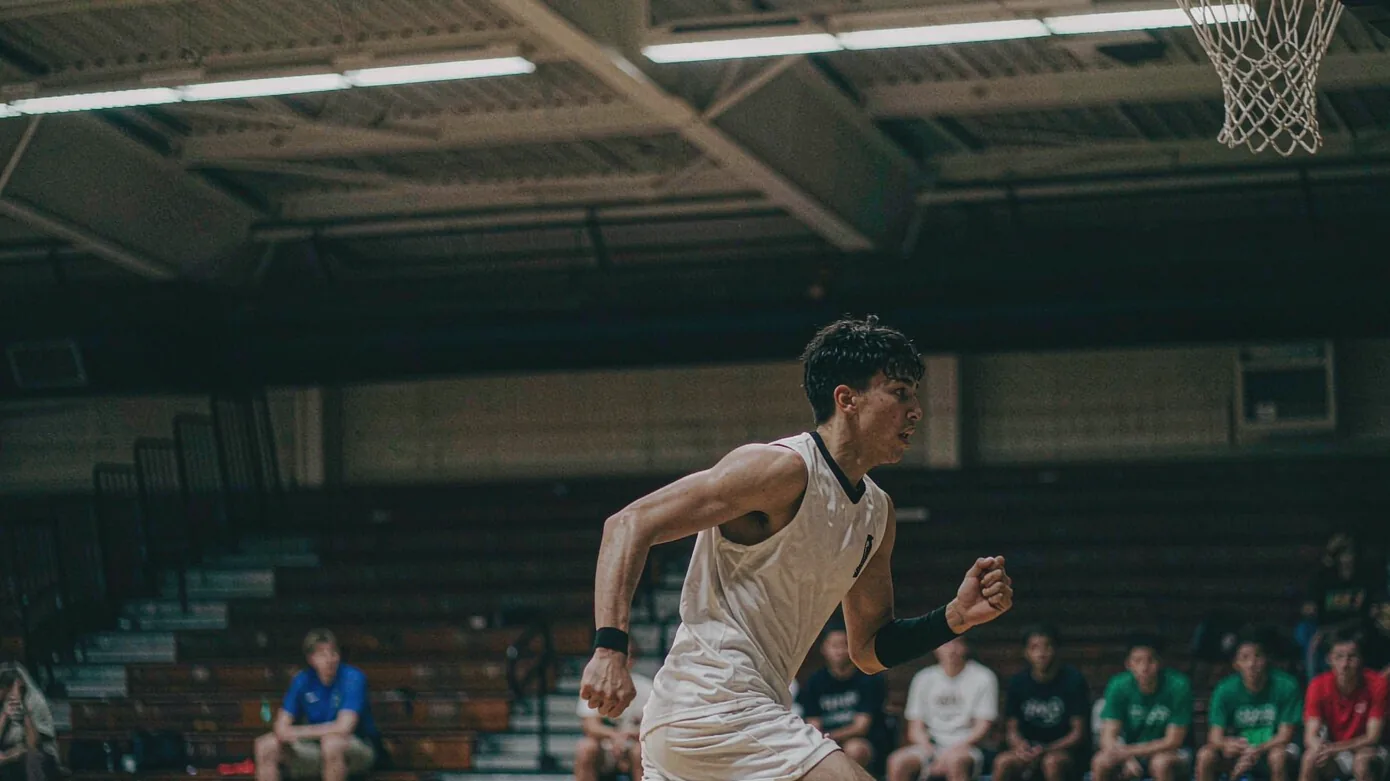

校内寄宿
学生住在学校宿舍,由宿管老师统一管理作息与自习。通常配套食堂、门禁与夜间值班。
- 监管强度最高,适合首次独立生活
- 与校队训练、晚自习衔接顺畅
- 费用通常高于走读,假期需另行安排
- 宿舍名额有限,需提前申请
适合 12–18 岁、有系统训练基础、希望以体育特长为切入点进入美国中学的学生。核心变量不是「水平够不够高」,而是入学年级、语言准备与住宿方式是否匹配。
这一阶段的孩子同时面对身体发育、学业衔接与语言适应三重变化。是否合适,取决于以下四项同时成立的程度。
美国的 9–12 年级对应国内初三到高三。越早进入,越有完整的高中成绩单与校队履历;11 年级进入通常只剩两年,申请大学时校队表现样本不足。若已到 12 年级,多数情况下更适合直接规划大学路径,而不是重读高中。
美国校队的日常强度与对抗水平普遍高于国内同龄业余训练。若只有 1 年以内经历,通常需要先补足基础技术与体能,再考虑出国时间点,否则容易在队内长期处于边缘位置,反而影响信心。
多数学校要求 TOEFL、Duolingo 或 TOEFL Junior 成绩,部分学校提供 ESL/ELD 分级课程作为过渡。语言不过关时,体育优势会被课堂适应问题抵消,这也是很多家庭低估的部分。
校内寄宿、走读 + 寄宿家庭、亲属陪读是三种完全不同的安排。未成年人独自在海外,住宿与监护安排直接决定风险水平,需要在选校前明确,而不是录取后再补。
住宿不是「住哪儿」的问题,而是每天放学后的时间由谁管理、社交圈在哪里形成、遇到问题时谁能第一时间到场。
学生住在学校宿舍,由宿管老师统一管理作息与自习。通常配套食堂、门禁与夜间值班。
白天在校就读,晚间与周末住在经过筛选的本地家庭,由住家负责餐食与日常监护。
仅在校就读,住宿由家庭自行安排,常见于家长陪读或亲属在美居住的情况。
完成竞技评估与语言摸底,确定目标年级与住宿方式,启动语言考试准备。
确定选校清单,准备文书与推荐信,安排面试;同步补齐体育录像与履历。
确认录取与入学合同,办理 I-20、签证、体检与住宿安置,完成行前培训。
入境、接机、注册报到、参加季前训练,进入在读阶段的跟进。
学校设有体育项目,不代表国际新生可以直接进入主力。多数项目有试训与选拔流程,且受联盟资格规则限制。
高中阶段的资助通常以助学金(Financial Aid)形式存在,与大学体育奖学金是两套不同机制,不能混为一谈。
语言不足会同时影响课堂表现、队内沟通与社交,进而影响教练评价。把语言准备放在出国后,是成本最高的顺序。
美国各州校际联盟对转学后的参赛资格有不同规定,部分情况下转学后需等待一定期限才能参加正式比赛,选校时就要考虑。
For students aged 12–18 with a background in structured training who want to enter a US secondary school through their sport. The decisive variable is not whether the level is “high enough”, but whether entry grade, language preparation and accommodation type line up.
At this stage a student faces three changes at once: physical development, academic transition and language adaptation. Whether it fits depends on how many of the four factors below hold true at the same time.
US grades 9–12 correspond to the final four years of secondary school in China. The earlier the entry, the fuller the high school transcript and team record. Entering at grade 11 usually leaves only two years, which is too thin a sample of team performance for college applications. If a student is already in grade 12, planning the college route directly is usually better than repeating high school.
Day-to-day intensity and physicality in US school teams is generally higher than amateur training at the same age in China. With less than a year of experience, basic technical and physical work normally has to come first; leaving too early often means a long spell on the fringes of the roster, which damages confidence.
Most schools require a TOEFL, Duolingo or TOEFL Junior score, and some offer levelled ESL/ELD courses as a bridge. When language is not yet adequate, the athletic advantage is offset by classroom adaptation problems — a factor many families underestimate.
On-campus boarding, day school with a host family, and living with a relative are three completely different arrangements. For a minor alone overseas, accommodation and guardianship directly determine the risk level. This must be settled before choosing schools, not patched together after an offer.
Accommodation is not a question of where to sleep. It decides who manages the hours after school, where the social circle forms, and who can be on site first when something goes wrong.
Students live in school dormitories, with house staff managing routines and supervised study. Usually comes with dining, access control and night duty.
Study on campus by day; evenings and weekends with a screened local family who provide meals and day-to-day supervision.
Study on campus only, with accommodation arranged by the family — typical where a parent accompanies the student or a relative lives in the US.
Complete athletic assessment and a language baseline, fix the target grade and accommodation type, and begin language exam preparation.
Finalise the school shortlist, prepare essays and recommendations, schedule interviews, and complete footage and playing résumé.
Confirm the offer and enrolment contract, arrange the I-20, visa, medical checks and accommodation, and complete pre-departure preparation.
Arrival, airport pickup, registration, pre-season training, and the start of enrolled-student follow-up.
A school running a sport does not mean a new international student walks into the starting line-up. Most programmes hold trials and selection, and are bound by league eligibility rules.
Funding at high school level usually takes the form of financial aid, which is a different mechanism from college athletic scholarships. The two should not be conflated.
Weak language affects class performance, communication within the team and social life at the same time, which in turn shapes how coaches assess the player. Deferring language work until after departure is the most expensive sequence.
State athletic associations in the US set different eligibility rules after a transfer; in some cases a waiting period applies before official competition. This has to be considered at the point of school selection.
After the questionnaire, we suggest a school tier based on athletics, academics and the family's expectations, and set out what preparation is still missing.